


Burundi National Parks
Burundi’s national parks offer a remarkable glimpse into the country’s unspoiled natural heritage and biodiversity. Despite its small size, Burundi is home to several protected areas that showcase diverse ecosystems ranging from dense forests and savannah grasslands to riverine wetlands and lakeshores. Kibira National Park, one of the largest and most important parks, is a lush montane rainforest that forms part of the Congo–Nile Divide and serves as a vital water catchment area, supporting chimpanzees, colobus monkeys, and a wide variety of bird species. Ruvubu National Park, the country’s largest park, features open plains, rolling hills, and river systems that provide habitat for buffalo, antelope, hippos, and numerous reptiles and birds. Rusizi National Park, located near Bujumbura along the Rusizi River, is known for its wetlands and is a haven for birdwatchers, with hippos, crocodiles, and migratory birds frequently sighted. Together, these national parks reflect Burundi’s commitment to conservation and offer visitors peaceful wildlife experiences, scenic landscapes, and authentic eco-tourism opportunities away from mass tourism.

Ruvubu National Park
Theseinclude Cape buffalo and duiker, alongsidepredatoryspeciessuch as lion and leopard. Hipposfill the river and The largest of Burundi’sprotected areas is Ruvubu National Park. It straddles the Ruvubu itsbanks, whileseveralmonkeyspeciesoccupyitstrees. Also a Ramsarwetland site since 2013, around 200 species of bird have been recordedinside the park.

Kibira National Park
Prettymuchdiagonally opposite Ruvubu, Kibira National Park lies on Burundi’snorthern border with Rwanda. It forms a continuousprotected area alongsideRwanda’sNyungwe National Park. AmongKibira’streasures are the last remaining sections of montaneforest in the country, sincealmost all the parksitsat 1,100 metresabovesealevel.
Rusizi National Park
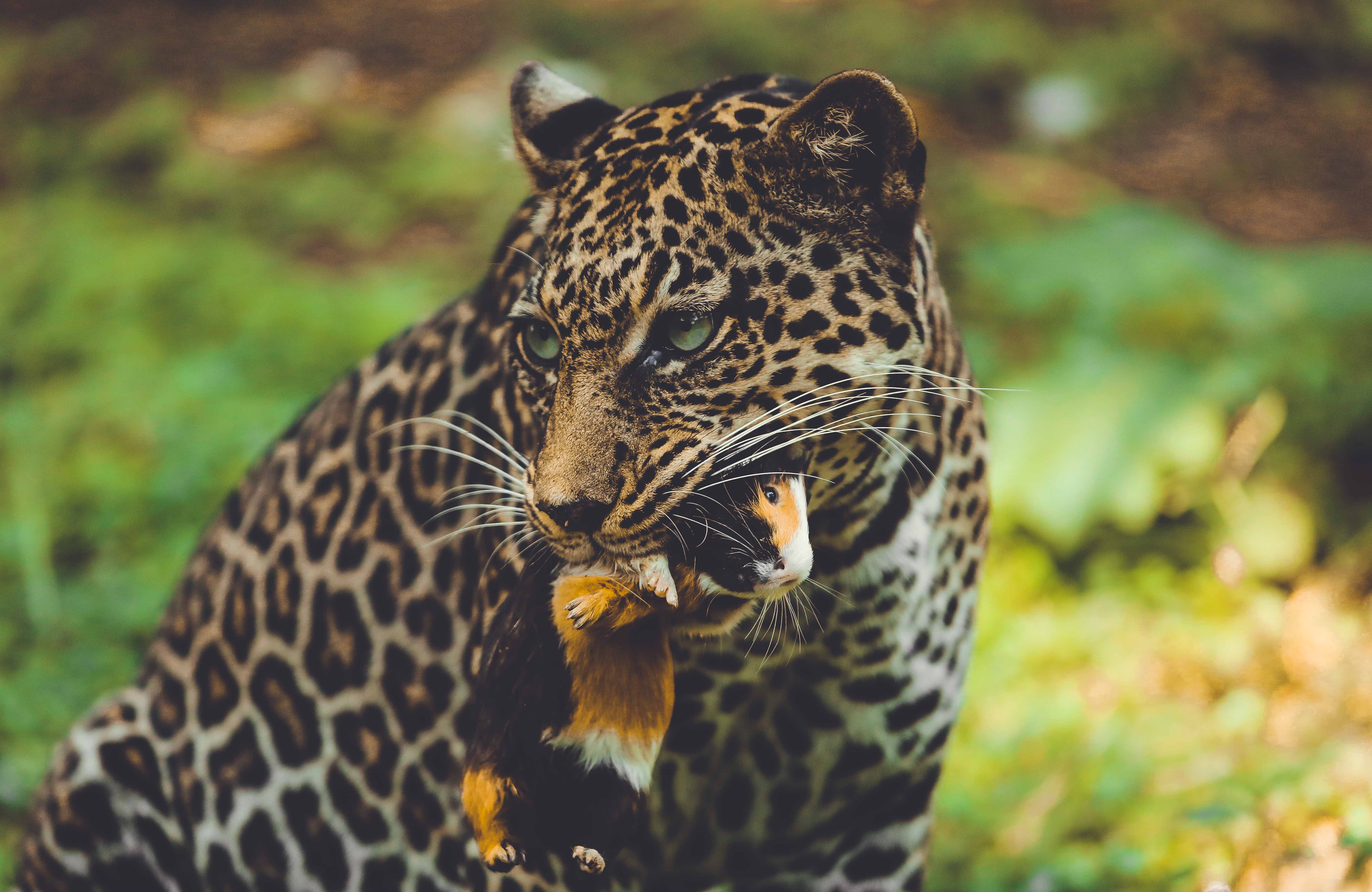
This national parkprovides protection for the Rusizi River whereitenters Lake Tanganyika. The zone on the lake source forms a small delta of papyrus, while a second zone encompasses the river itself. The park lies justnine miles (15 km) from Bujumbura, the country’slargest city and home to the international airport. You can combine a tour of both Bujumbura and Rusizi as a result.
Bururi Forest Nature Reserve
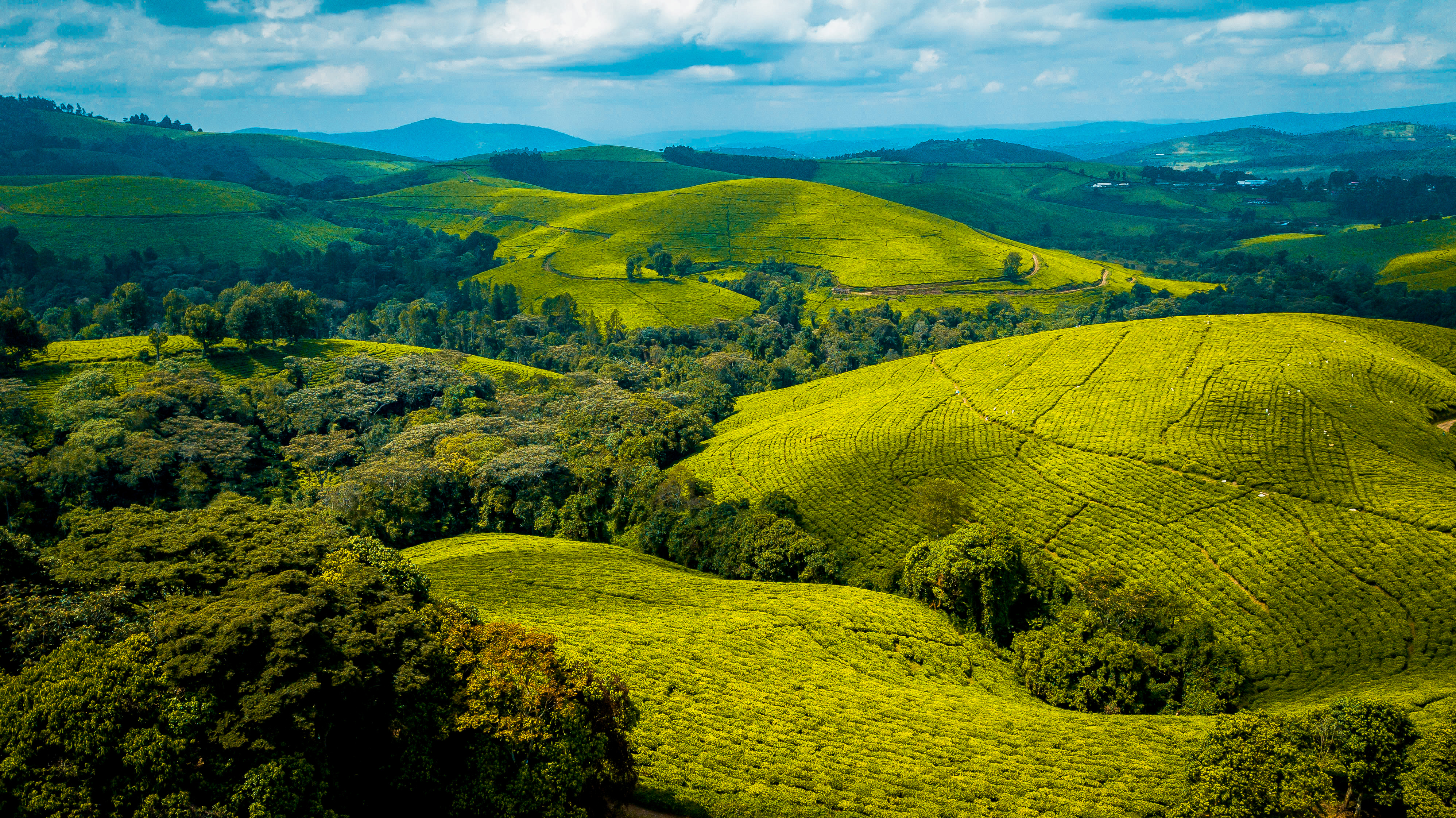
The Bururi Forest Nature Reserve is one of Burundi’s most important biodiversity hotspots. Located in the southern highlands, this montane forest is home to rare plant species, medicinal flora, and a variety of birds and small mammals. The reserve’s cool climate and dense vegetation make it a vital water catchment area, feeding rivers that support surrounding communities. Bururi Forest is particularly attractive to nature lovers, researchers, and birdwatchers seeking a quiet and pristine environment.
Vyanda Forest Nature Reserve
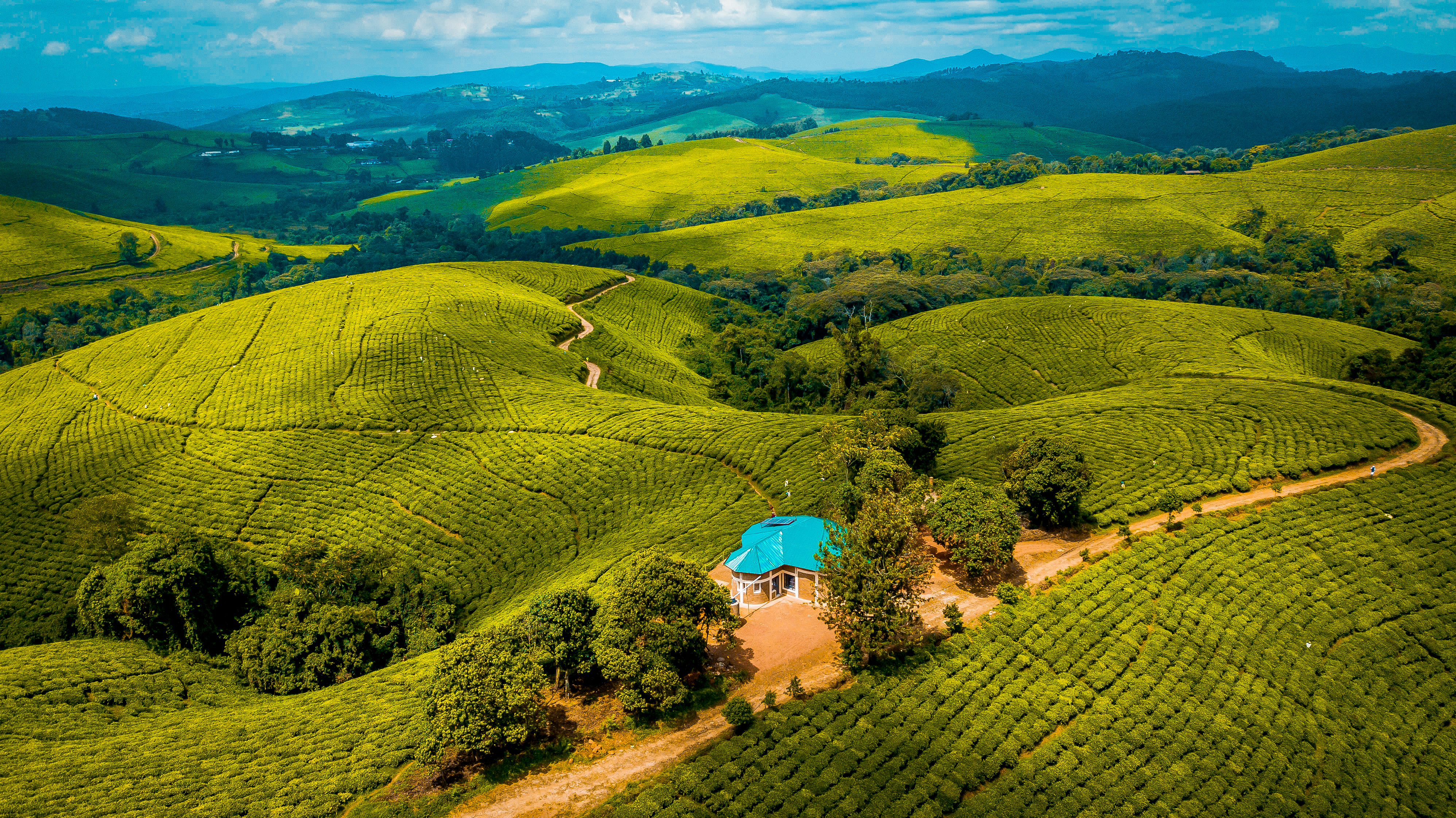
Vyanda Forest Nature Reserve lies in southern Burundi and protects a mix of forest and savannah ecosystems. It plays a crucial role in preserving indigenous tree species and wildlife habitats that are increasingly threatened by deforestation. The reserve also supports local livelihoods through eco-friendly activities while maintaining ecological balance. Its scenic landscapes and rich plant life make it an important conservation area.

Rumonge Nature Reserve
Located along the shores of Lake Tanganyika, the Rumonge Nature Reserve protects coastal ecosystems, wetlands, and aquatic biodiversity. The area is significant for fish breeding, birdlife, and shoreline vegetation that helps prevent erosion. With its peaceful lake views and rich biodiversity, Rumonge offers excellent opportunities for eco-tourism, nature walks, and birdwatching.