


People & Culture
People and culture in Burundi are deeply rooted in tradition, community, and a strong sense of identity. The Burundian people are known for their warmth, hospitality, and respect for social harmony, with family and community life playing a central role in everyday living. Culture is richly expressed through music, dance, storytelling, and ceremonies, with the world-famous royal drumming tradition standing as a powerful symbol of unity and heritage. Despite ethnic diversity, shared customs, language (Kirundi), and values create a strong national cohesion.
Daily life is closely connected to the land, with agriculture shaping traditions, cuisine, and social rhythms. Visitors to Burundi often find that its people and culture offer an authentic, heartfelt experience that reflects resilience, pride, and a deep respect for history and tradition.
Traditional Music and Dance
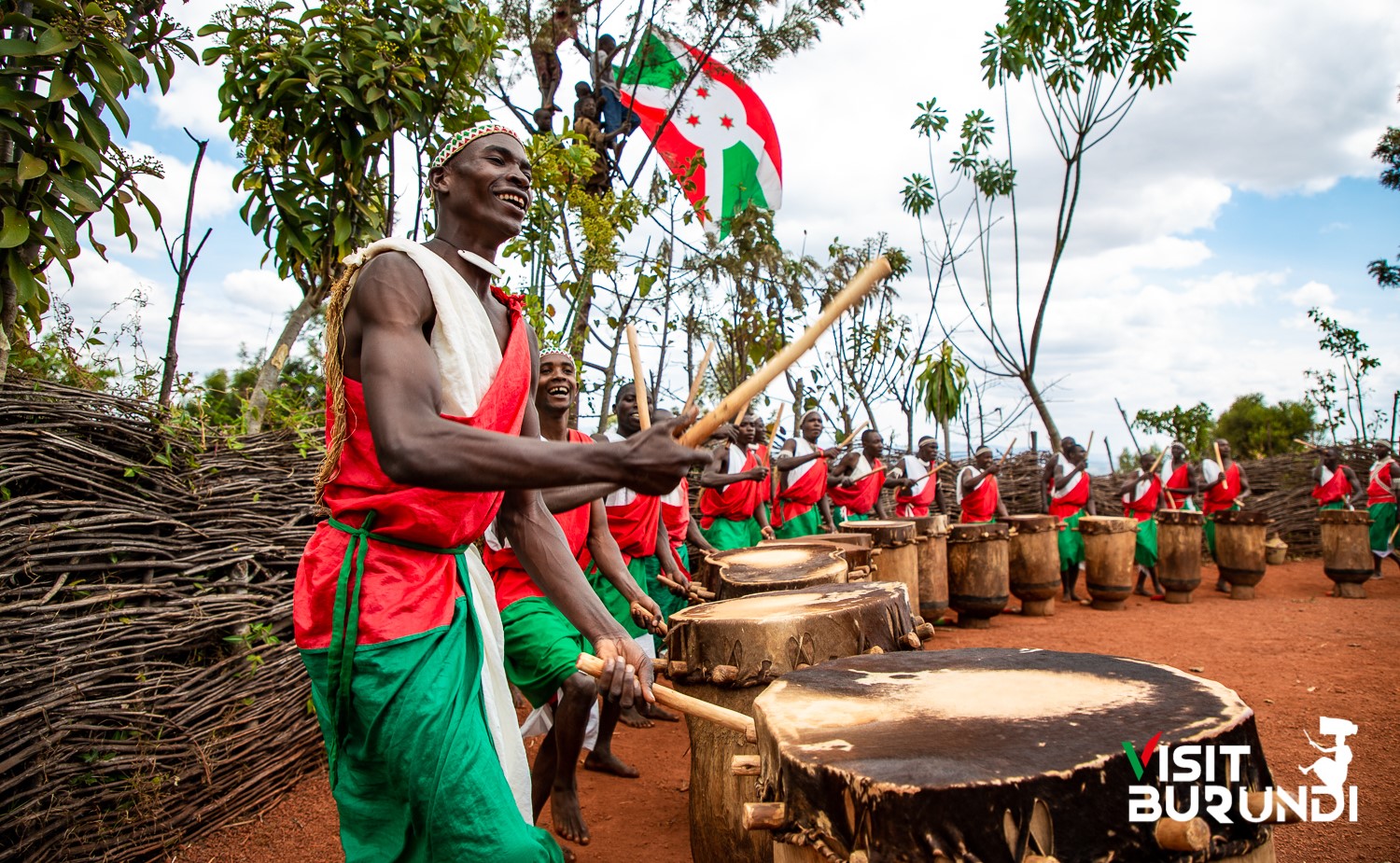
Music and dance are at the heart of Burundian culture, with performances playing an important role in ceremonies, celebrations, and social gatherings. The world-renowned Royal Drummers of Burundi represent strength, unity, and national pride, using powerful rhythms and synchronized movements that have been passed down through generations.
Traditional dances often tell stories of history, daily life, and community values, making each performance both artistic and meaningful.
Festivals, Ceremonies, and Community Life
Cultural festivals and traditional ceremonies are central to Burundian social life, strengthening bonds within communities. Events such as weddings, harvest celebrations, and initiation rites bring people together through music, dance, and shared meals.
These gatherings emphasize values like respect, cooperation, and togetherness, offering visitors a warm and authentic experience of Burundi’s communal culture.

Other Prominent Cultures in burundi
Beyond its most well-known traditions, Burundi is also shaped by a variety of prominent cultural influences that add depth to its national identity. The country’s culture reflects a blend of traditional Burundian customs with regional East African and Central African influences, seen in language, dress, and social practices. Daily life is guided by strong values of respect for elders, hospitality, and community cooperation, while rites of passage such as births, marriages, and funerals are observed with deep cultural significance.
Modern influences—especially in urban areas like Bujumbura—have introduced contemporary music, fashion, and art, creating a dynamic balance between tradition and modern life. This coexistence of ancestral customs and evolving cultural expressions makes Burundi’s cultural landscape rich, diverse, and deeply authentic.