


The Heart Of Africa
Burundi, often referred to as a hidden gem or the "Heart of Africa" due to its shape and central location, is a small, landlocked East African nation known for its stunning, hilly landscape, the shores of Lake Tanganyika, and vibrant culture . Despite being one of the world's least visited countries, it offers rich biodiversity, iconic drumming traditions, and a resilient population. Nature enthusiasts are drawn to the misty rainforests of Kibira National Park, which provides a sanctuary for chimpanzees, and the dramatic Karera Waterfalls that cascade through the lush southern highlands. The shoreline of Lake Tanganyika, particularly at Saga Beach, provides a Mediterranean-like atmosphere where visitors can enjoy fresh Mukeke fish, a local delicacy found nowhere else on earth. From the panoramic heights of Mount Heha to the historical depth of the Gitega National Museum, Burundi offers a compact but incredibly diverse experience for those seeking an authentic and untouched African destination.
Geography
Burundi is a land of breathtaking geographical beauty, often described as one of Africa’s most serene and unspoiled destinations. Nestled in the heart of the Great Rift Valley, the country is characterized by rolling green hills, lush highlands, and fertile plateaus that stretch as far as the eye can see, earning it the nickname “The Heart of Africa.” Its western border is graced by the magnificent Lake Tanganyika—one of the world’s deepest and longest freshwater lakes—offering golden sunsets, tranquil beaches, and vibrant fishing communities. Burundi’s landscape is further enriched by winding rivers, cascading waterfalls, dense forests, and scenic valleys that provide a natural sanctuary for diverse flora and fauna.
The country enjoys a pleasant climate throughout the year, shaped by its elevation and tropical location, making it ideal for eco-tourism, hiking, bird-watching, and nature exploration. From the misty hills of the interior to the peaceful shores of Lake Tanganyika, Burundi’s geography offers a rare blend of natural elegance, calmness, and raw African beauty that remains largely untouched by mass tourism.
People, Culture, & Food
Burundi is a land of breathtaking geographical beauty, often described as one of Africa’s most serene and unspoiled destinations. Nestled in the heart of the Great Rift Valley, the country is characterized by rolling green hills, lush highlands, and fertile plateaus that stretch as far as the eye can see, earning it the nickname “The Heart of Africa.” Its western border is graced by the magnificent Lake Tanganyika—one of the world’s deepest and longest freshwater lakes—offering golden sunsets, tranquil beaches, and vibrant fishing communities. Burundi’s landscape is further enriched by winding rivers, cascading waterfalls, dense forests, and scenic valleys that provide a natural sanctuary for diverse flora and fauna. The country enjoys a pleasant climate throughout the year, shaped by its elevation and tropical location, making it ideal for eco-tourism, hiking, bird-watching, and nature exploration. From the misty hills of the interior to the peaceful shores of Lake Tanganyika, Burundi’s geography offers a rare blend of natural elegance, calmness, and raw African beauty that remains largely untouched by mass tourism.
Burundi is home to a warm, resilient, and deeply community-oriented people whose traditions have been preserved for generations. Family and community life form the heart of Burundian society, where respect for elders, hospitality toward visitors, and strong social bonds are central values. Despite its small size, Burundi reflects a remarkable cultural depth shaped by centuries of shared history, oral traditions, and close ties to the land. Storytelling, ceremonies, and communal celebrations remain vital expressions of identity, connecting modern life with ancestral heritage.
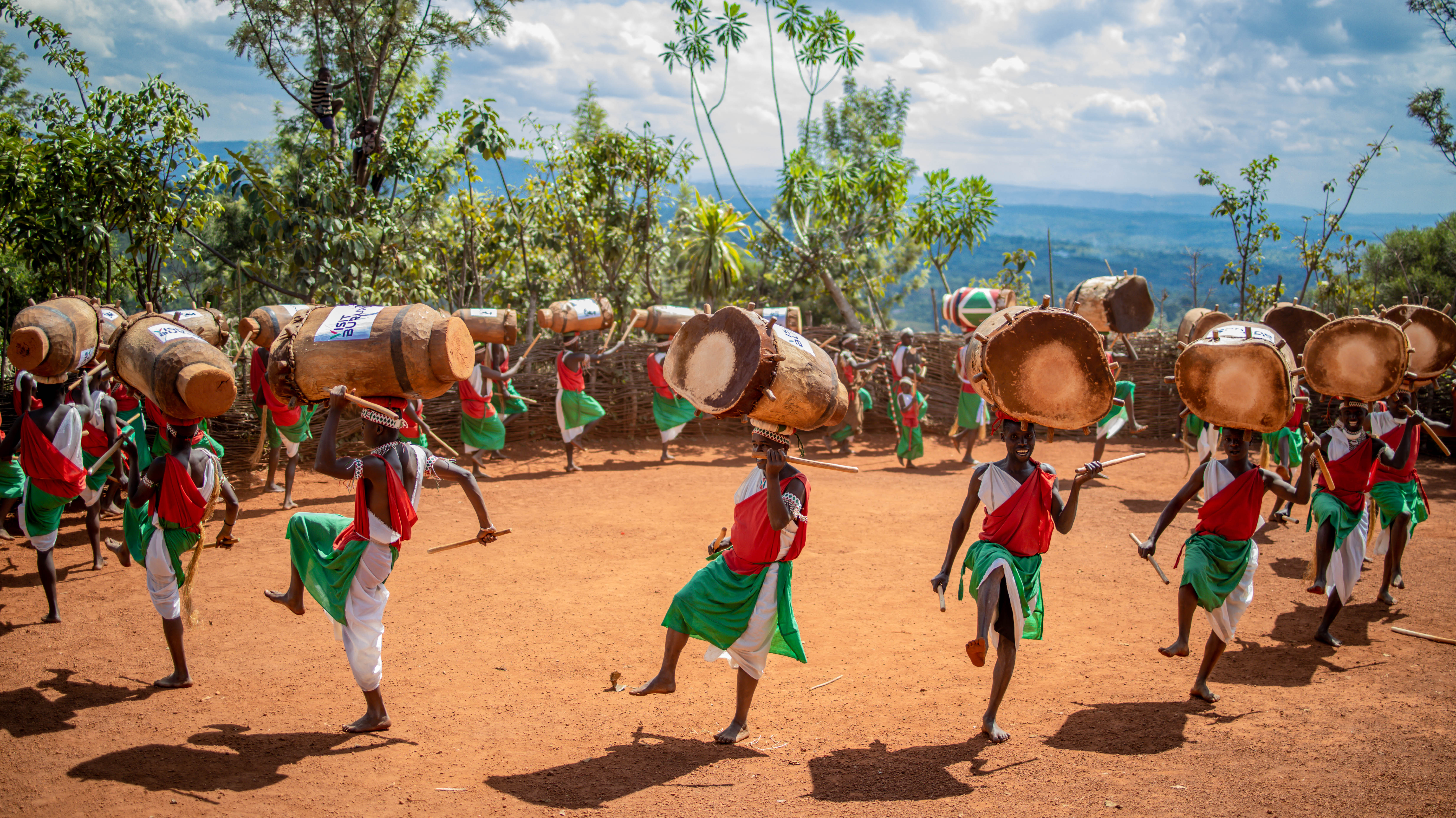
Burundian culture is globally recognized for its powerful and rhythmic royal drumming tradition, a UNESCO-listed cultural heritage that symbolizes unity, strength, and national pride. The drums are more than musical instruments—they are sacred cultural symbols used during festivals, royal ceremonies, and important social events. Traditional dances, colorful attire, and expressive music play a key role in celebrations, weddings, and harvest festivals, offering visitors an authentic glimpse into Burundi’s living cultural heritage.
Food in Burundi is simple, wholesome, and closely connected to the country’s agricultural lifestyle. Meals are primarily based on locally grown ingredients such as beans, maize, cassava, sweet potatoes, bananas, and rice. Traditional dishes like isombe (cassava leaves), ibiharage (beans), grilled meats, and fresh fish from Lake Tanganyika reflect both inland farming and lakeside culinary influences. Cooking methods emphasize natural flavors, with meals often prepared slowly and shared communally—turning food into a social experience rather than just nourishment.
Together, the people, culture, and cuisine of Burundi create an atmosphere of authenticity and warmth that leaves a lasting impression on visitors. Whether through shared meals, rhythmic drum performances, or heartfelt conversations, Burundi offers travelers a deeply human connection—one rooted in tradition, simplicity, and genuine hospitality.
Weather in Burundi
Burundi experiences a pleasant tropical highland climate that is strongly influenced by its elevation rather than extreme heat. Temperatures remain moderate throughout the year, typically ranging between 20°C and 28°C, with cooler conditions in the highland regions and warmer weather near Lake Tanganyika and the lowlands.
The country has two main rainy seasons—from February to May and September to November—which nourish the fertile soil and keep the landscapes lush and green. The dry seasons, occurring from June to August and December to January, bring clearer skies, cooler evenings, and are ideal for travel and outdoor activities. Humidity is generally manageable, and extreme weather events are rare, making Burundi’s climate comfortable and predictable. This balanced weather pattern supports agriculture, sustains its rich biodiversity, and enhances the country’s natural beauty throughout the year.
Regional Variations
Burundi’s weather shows clear regional variations shaped mainly by altitude and proximity to water bodies. The central highlands, where much of the population lives, enjoy cooler temperatures and higher rainfall, creating fertile conditions for agriculture and tea and coffee plantations. In contrast, the western lowlands along Lake Tanganyika experience warmer and more humid weather, with slightly higher temperatures and milder nights influenced by the lake’s presence. The northern and eastern plateau regions tend to be drier, receiving less rainfall and experiencing more pronounced dry seasons compared to the highlands. Meanwhile, river valleys and low-lying areas often feel warmer during the day but cool rapidly at night. These regional differences give Burundi a varied climate despite its small size, supporting diverse ecosystems, farming practices, and lifestyles across the country.
Best Time to Visit Burundi
The best time to visit Burundi largely depends on the type of experience you are looking for. Overall, the dry seasons from June to September and December to February are considered the most favorable for travel, sightseeing, and outdoor activities.
June to September (Main Dry Season): This is the ideal time to explore Burundi’s natural landscapes and cultural sites. The weather is generally cool and dry, especially in the highlands, making it perfect for hiking, visiting national parks like Kibira and Ruvubu, and enjoying the scenic shores of Lake Tanganyika. Roads and trails are more accessible, and wildlife viewing is more comfortable during this period.
December to February (Short Dry Season): Another excellent time to visit, with warm days and relatively low rainfall. This season is great for city tours in Bujumbura, lake activities such as boating and beach relaxation, and cultural experiences. It is also a pleasant period for photography and general sightseeing.
March to May and October to November (Rainy Seasons): These months bring heavier rainfall, particularly in the highland regions. While travel can be more challenging due to muddy roads and limited access to remote areas, the countryside becomes lush and green, offering beautiful scenery. This period is suitable for travelers seeking fewer crowds, lower travel costs, and a more peaceful experience. Birdwatching is also rewarding during these months due to increased bird activity.
Adventure and Outdoor Activities
1. Burundi offers a wide range of adventure and outdoor activities for travelers who enjoy nature, culture, and off-the-beaten-path experiences. Its diverse landscapes of hills, forests, rivers, and lakes make it an exciting destination for exploration and eco-tourism.
2. One of the highlights is hiking and trekking, especially in Kibira National Park, a dense montane rainforest located along the Congo–Nile Divide. The park offers scenic trails, fresh mountain air, and opportunities to spot chimpanzees, colobus monkeys, and rare bird species. The rolling hills and rural countryside around Gitega and Ngozi are also perfect for long walks and cultural hikes through traditional villages.
3. For wildlife enthusiasts, Ruvubu National Park, Burundi’s largest park, offers safari-style experiences, including game viewing of antelope, buffalo, hippos, and a variety of bird species. The park’s open savannahs, rivers, and wetlands make it especially attractive for birdwatching and nature photography.
4. Burundi is also rich in cultural outdoor experiences. Travelers can attend traditional drumming performances, village festivals, and open-air markets, which are often combined with walking tours and countryside exploration. Cycling through rural landscapes and tea plantations is another rewarding way to experience daily life and natural beauty.
5. Burundi is home to several beautiful waterfalls and river landscapes that are perfect for nature lovers and soft adventurers. The Karera Waterfalls in Rutana Province are among the most famous, featuring multiple cascading tiers surrounded by lush greenery. Nearby natural pools make the area ideal for relaxation, photography, and short nature hikes. Rivers such as the Ruvubu and Malagarasi add to the country’s scenic charm, offering peaceful environments for picnics and exploration.
6. For travelers who enjoy slow travel and immersive experiences, Burundi offers excellent opportunities for cycling and guided village walks. The country’s rolling hills, tea plantations, and rural roads provide scenic cycling routes with minimal traffic. Walking through countryside villages allows visitors to interact with locals, observe traditional farming practices, and experience Burundi’s warm hospitality firsthand. These activities provide a deeper cultural connection while enjoying fresh air and stunning landscapes.
7. Burundi is an emerging destination for birdwatching and eco-tourism, thanks to its diverse habitats ranging from wetlands and lakeshores to forests and savannahs. Areas around Lake Tanganyika, Kibira National Park, and Ruvubu National Park are especially rich in birdlife, attracting both resident and migratory species. The country’s unspoiled nature and low tourist traffic make it ideal for wildlife photography, peaceful observation, and environmentally responsible travel experiences.
Overall, Burundi is an excellent destination for travelers seeking authentic adventure, peaceful nature, and meaningful outdoor experiences, offering a refreshing alternative to more crowded African destinations.